Get the chance to win £100 alongside trusted feeding advice, helpful tips and the latest deals and competitions straight to your inbox.

At 13 weeks pregnant, you’re at the start of your second trimester, and, whilst it might be hard to believe, you’re already a third of the way through your pregnancy!
A lot of mums-to-be find that some of those pesky early pregnancy symptoms start to ease in the second trimester, and they get a lot of their energy back1.
Meanwhile, there’s plenty going on for your baby, too. They’re growing and developing quickly and even starting to wriggle around in your womb2.
At 13 weeks pregnant, scans and second-trimester symptoms are likely on your mind. Let’s take a look at everything you need to know.
How many months is 13 weeks pregnant?
Converting 13 weeks pregnant to months can help you get a better idea of how far along you are. 13 weeks is just over 3 months, which means you’re right at the start of your second trimester.
Although there’s no specific 13 weeks pregnant ultrasound, by now, you might have had your first pregnancy scan and started to share your exciting news with family and friends - which can make it all feel even more real!
Your baby’s development at 13 weeks
At 13 weeks pregnant, your baby is very active, spending lots of time stretching, kicking and turning (although they’re still far too small for you to feel it)2.
Some babies start to suck their thumb in the womb, which helps them practice the sucking reflex they’ll use to feed once they’re born2.
Their organs are developing all the time too, including their ovaries or testes and their digestive system3.

How big is my baby, and what do they look like?
At 13 weeks pregnant, your baby’s size is about 7.4cm, or around the size of a peach2. As the weeks go on and their body develops, they look less and less like a tadpole and more and more like the baby you’ll meet in around 6 months.
What can you see on the 13-week ultrasound scan?
Your first pregnancy scan is often called your dating scan or the 12-week scan, but it can happen any time from 10 to 14 weeks pregnant4. At 13 weeks pregnant, the ultrasound can show your baby’s size (which can give you a more accurate due date), their position, and whether you’re expecting more than one baby5.
You and your body at 13 weeks pregnant
It’s not just your baby whose body is changing at 13 weeks pregnant, there are lots of changes happening in your body too.
Baby bump Incoming!
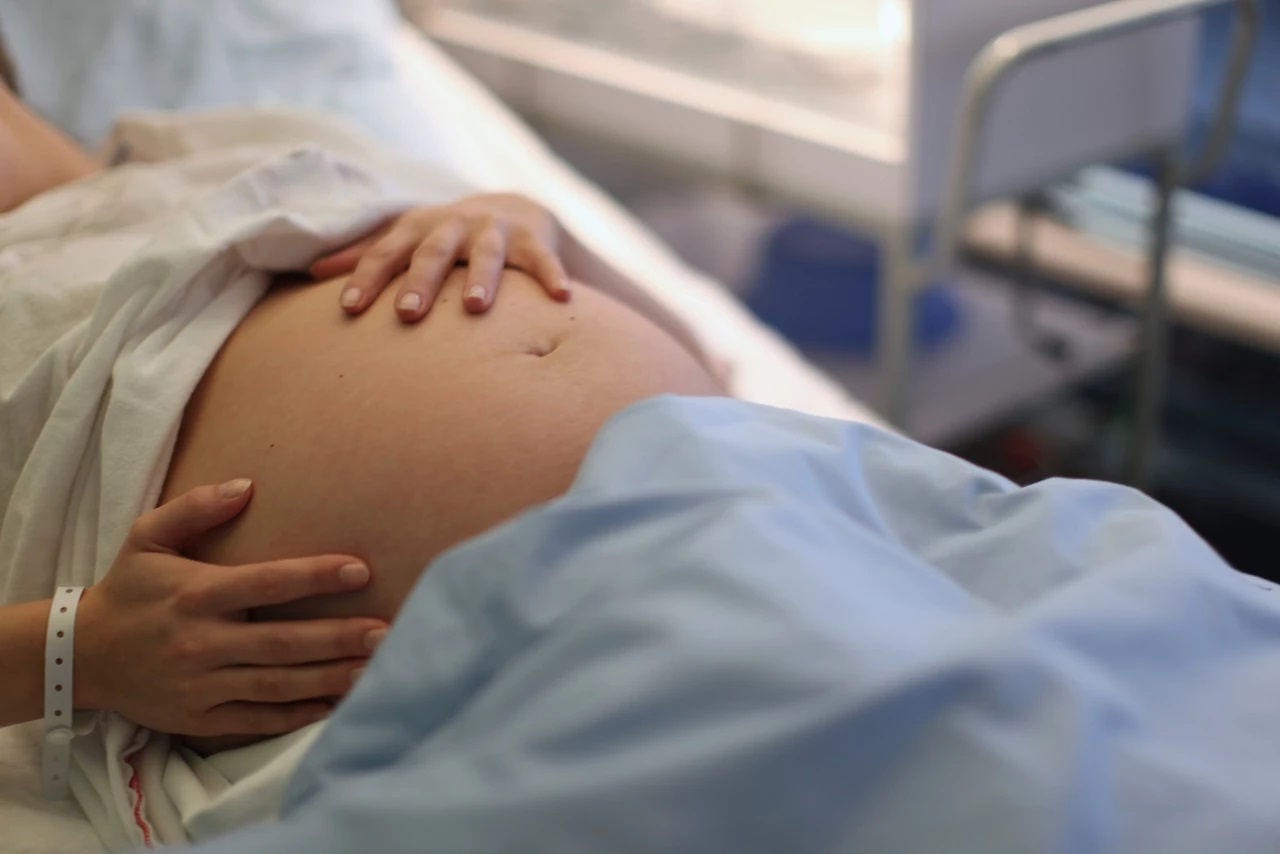
Every pregnancy is different, and some expectant mums won’t notice a bump until later in their pregnancy. But it’s possible that your 13 weeks pregnant belly will start to show signs of a small baby bump, especially if this isn’t your first pregnancy2.
Increased sex drive
During pregnancy, your body pumps a lot more blood around your pelvis, which can increase your sex drive. There’s no reason why you can’t have sex while pregnant, unless your doctor or midwife has advised you not to2.
Bleeding gums
You’re more likely to experience painful, swollen or bleeding gums during pregnancy. It’s important to keep up with your normal dental hygiene routine (including brushing twice a day) to help avoid gum disease. You can also switch to a soft-bristled toothbrush to make brushing more comfortable2.
Common pregnancy symptoms at 13 weeks
In your second trimester, you’ll likely find that some of your early pregnancy symptoms improve. But some, like constipation and cravings, might still be hanging around. You may also find that some new ones come along to join them, too.
Let’s take a look at some of the 13 weeks pregnant symptoms you might experience as your second trimester gets underway.
Feeling constipated or bloated
It’s common to feel constipated or bloated during pregnancy due to your changing hormones.
Things you can do to help prevent constipation include6:
- Getting lots of fibre in your diet by eating fruit and veg, pulses, and wholemeal carbs (like brown bread)
- Drinking plenty of water
- Exercising regularly
Constipation and bloating can be painful, but the discomfort usually goes away after a little while, especially if you switch positions or go to the toilet. If you’re 13 weeks pregnant and cramping severely or for a long time, get in touch with your maternity unit7.
Sore breasts
Your pregnancy hormones can also make your breasts feel tender, sore, or even tingly. Your breasts will continue to change throughout your pregnancy, and you might notice that8:
- Your nipples become darker
- You get stretch marks or noticeable veins on your breasts
- Your breasts start to produce milk (usually from around 16 weeks pregnant)
- Your nipples and breasts become larger, especially in the last few weeks of pregnancy
Pregnancy cravings
We’ve all heard about strange and wonderful pregnancy cravings - pickles and ice cream anyone?
During pregnancy, some, but not all, women notice changes in their sense of taste and smell during pregnancy, which make them crave foods they’re not usually interested in. If you’re having cravings, try to stick to a healthy, balanced diet (even if all you want to eat is quite the opposite)9.
If you start to crave things that aren’t food, like dirt or clay, it could be a sign of a condition called pica, which is caused by low iron. Speak to your doctor or midwife about your symptoms to get support9.
What to think about during week 13
At 13 weeks pregnant, you might want to think about2:
- Letting your work know that you’re pregnant. Your maternity rights mean that you can go to antenatal appointments on paid work time. You might also want to ask for a risk assessment to make sure your environment is safe for you and your baby.
- Doing pelvic floor exercises. Strengthening your pelvic floor muscles during pregnancy can help prepare your body for labour and beyond.
- Eating a healthy, balanced diet. ‘Eating for two’ during pregnancy is actually a myth! You won’t actually need any extra calories until your third trimester. Just try to eat a variety of different foods every day, including plenty of fruit and veg.
Did you know?
Some midwives recommend switching to non-underwired bras during pregnancy. Although it hasn’t been proven that underwires could be harmful, they can become uncomfortable as your breasts change. During your pregnancy, comfort is key10.
- HSE. What to expect in the second trimester [online 2022]. Available at https://www2.hse.ie/pregnancy-birth/baby-development-pregnancy-stages/stages/second-trimester/ [Accessed August 2025]
- NHS Best Start in Life. Week 13 [online] Available at https://www.nhs.uk/best-start-in-life/pregnancy/week-by-week-guide-to-pregnancy/2nd-trimester/week-13/[Accessed August 2025]
- HSE. 13 to 16 weeks pregnant [online 2022]. Available at https://www2.hse.ie/pregnancy-birth/baby-development-pregnancy-stages/stages/13-16-weeks/ [Accessed August 2025]
- NHS. 12-week scan [online 2023]. Available at https://www.nhs.uk/pregnancy/your-pregnancy-care/12-week-scan/ [Accessed August 2025]
- HSE. Dating scan [online 2023]. Available at https://www2.hse.ie/pregnancy-birth/scans-tests/ultrasound-scans/dating-scan/ [Accessed August 2025]
- NHS. Common health problems in pregnancy [online 2024]. Available at https://www.nhs.uk/pregnancy/related-conditions/common-symptoms/common-health-problems/ [Accessed August 2025]
- NHS. Stomach pain in pregnancy [online 2024]. Available at https://www.nhs.uk/pregnancy/related-conditions/common-symptoms/stomach-pain/ [Accessed August 2025]
- HSE. Breast changes during pregnancy [online 2022]. Available at https://www2.hse.ie/pregnancy-birth/baby-development-pregnancy-stages/stages/breast-changes/ [Accessed August 2025]
- NHS Best Start in Life. Week 5 [online]. Available at https://www.nhs.uk/best-start-in-life/pregnancy/week-by-week-guide-to-pregnancy/1st-trimester/week-5/ [Accessed August 2025]
- NCT. Maternity bras and nursing bras: what you need to know [online 2022]. Available at https://www.nct.org.uk/information/pregnancy/wellbeing-and-lifestyle-pregnancy/maternity-bras-and-nursing-bras-what-you-need-know [Accessed August 2025]
More from pregnancy


Pregnancy topics




Get the chance to win £100 alongside trusted feeding advice, helpful tips and the latest deals and competitions straight to your inbox.
By registering you're confirming you agree with our T&Cs and Privacy Policy. You can opt out anytime.
Need free advice with a smile? Get in touch with our dedicated Care team.
Ask us a question (8am-8pm Mon-Fri, 10-5pm Sat)
Messenger
Message us (8am-8pm Mon-Fri, 10-5pm Sat)
Call Us
Call us on 0800 977 8880 (8am-8pm Mon-Fri, 10-5pm Sat)
FAQs
Get answers to your most frequently asked questions