Get the chance to win £100 alongside trusted feeding advice, helpful tips and the latest deals and competitions straight to your inbox.

At 10 weeks pregnant, you’ve almost reached the end of your first trimester – congratulations! Many expectant mums say they feel much better and have a lot more energy as they approach the 12-week mark, so if you’re experiencing some of those pesky early pregnancy symptoms, you haven’t long to wait.
In the meantime, let’s have a look at what’s going on for you and your little one at 10 weeks pregnant, including some common 10 weeks pregnant symptoms, your baby’s development, and how to enjoy a healthy pregnancy diet.
How many months is 10 weeks pregnant?
By the time you reach week 10 of your pregnancy, you’ll be in the third month and already near the end of your first trimester.
Many mums-to-be find the first trimester the hardest, so if you’ve been struggling a little up to now, there may be some smoother sailing right around the corner.
Your baby’s development at 10 weeks
Your baby, or foetus, at 10 weeks pregnant is starting to make small, jerky movements, although you probably won’t be able to feel them just yet1,2.
Their heart is still very tiny, so it’s working extra hard and beating at about 180 beats per minute - that’s around three times the rate of your own heart1. As they grow and their heart develops, their heart rate will eventually slow. At birth, it will beat at around 130 beats per minute3.
At 10 weeks pregnant, your baby’s going through a big growth spurt. The size of a 10-week baby is about that of a small apricot, and they measure around 30mm from their head to their bottom1.
Their head still looks too big for their body, but their face is becoming more baby-like as their ears, mouth, nose, and jaw take shape1.

What can you see on the 10 weeks pregnant ultrasound?
Your first pregnancy scan is usually offered when you’re between 10 and 14 weeks pregnant4,5.
From 10 weeks pregnant, ultrasounds can show4:
- Your baby’s size (which can be used to work out your due date)
- How your baby is developing
- Your baby’s position
- Whether you’re expecting twins (or more!)
You and your body
There are lots of hormones whizzing around your body right now, all of which are supporting you and your baby through your pregnancy. You might be noticing the effects of the hormone progesterone in particular, which can cause some 10 weeks pregnant symptoms like feeling bloated, gassy or constipated1.
If you have any of those symptoms, you can try6:
- Getting plenty of fibre from foods like fruit, veg and wholegrains
- Regular exercise
- Staying hydrated
Your baby bump at 10 weeks pregnant
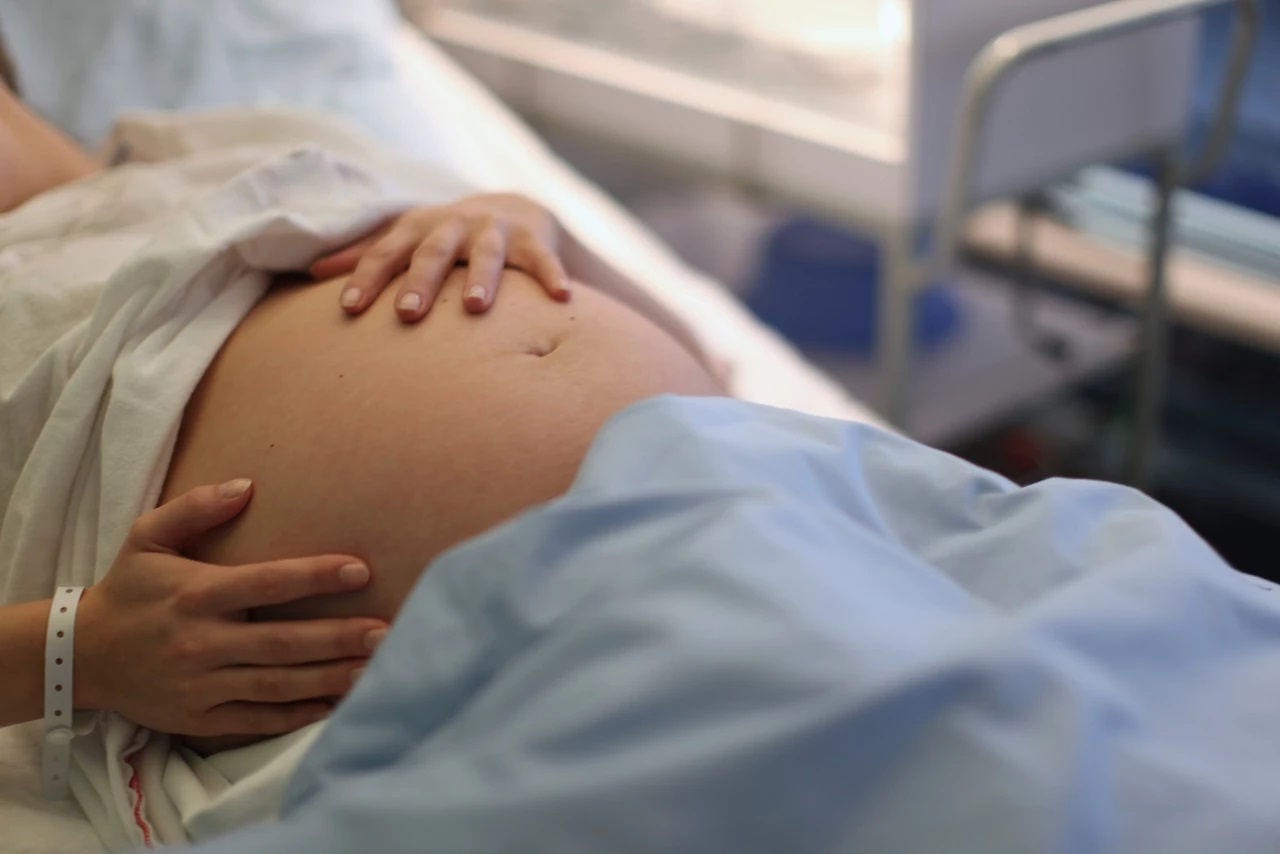
Right now, your uterus (or womb) has grown to about the size of an orange. While other people might not be able to spot your 10 weeks pregnant bump yet, you might notice that your clothes are feeling a little tighter – a good excuse to start looking for maternity clothes!1
Common pregnancy symptoms in week 10
At 10 weeks pregnant, symptoms from earlier in your first trimester could be hanging around, and it might be that some new ones come along too.
You might notice symptoms and body changes like1:
- Feeling extremely tired (try to get lots of rest – easier said than done, we know!)
- Morning sickness and a more sensitive sense of smell
- Feeling more emotional
- New likes and dislikes when it comes to food and drink
- Headaches
- Feeling dizzy or faint
- White vaginal discharge
- Heartburn
- Sore breasts
Your pregnancy diet: advice and top tips at 10 weeks
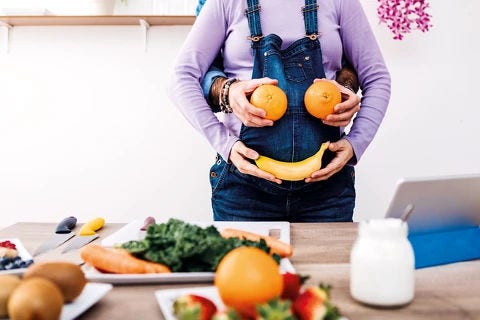
One of the things your midwife will talk to you about at your first appointment (usually when you’re around 10 weeks pregnant) is how to have a healthy pregnancy diet7.
There’s no need to ‘eat for two’ (that’s a myth), but it’s important to get a balance of the right types of foods, like8:
- Fruits and veg - aim for at least 5 portions each day
- Carbohydrates - opt for wholemeal bread, pasta and rice instead of white for extra fibre
- Protein from foods like meat, fish, eggs, tofu, beans and nuts
- Dairy (choose low-fat options where possible) or fortified dairy alternatives
It’s advisable to take certain pregnancy supplements too, like:
- Folic acid until you’re at least 12 weeks pregnant9
- Vitamin D during autumn and winter10
There are some foods you should avoid while pregnant, like some types of cheese, undercooked meat, and certain fish8. You should also avoid drinking alcohol in pregnancy.
The importance of iron during pregnancy
Iron is a key nutrient, and one you’ll need during pregnancy. It plays a really important role in carrying oxygen to you and your baby, and getting enough can help you avoid iron deficiency anaemia11.
You can usually get all the iron you need from your diet by eating iron-rich foods like lean meat, leafy green veg, nuts, dried fruit and iron-fortified breakfast cereals10. But if your iron levels are low, you might be advised to take a supplement too.
Did you know?
The iron from cereals and vegetables is best absorbed by your body if you eat another Vitamin C-rich food at the same time. Have a glass of orange juice with your breakfast cereal or take fresh fruit along with your main course.
- NHS Best Start in Life. Week 10 [online] Available at https://www.nhs.uk/best-start-in-life/pregnancy/week-by-week-guide-to-pregnancy/1st-trimester/week-10/[Accessed January 2026]
- NHS (2024). Your baby's movements [online] Available at https://www.nhs.uk/pregnancy/keeping-well/your-babys-movements/ [Accessed May 2025]
- NHS Best Start in Life. Week 28 [online] Available at https://www.nhs.uk/best-start-in-life/pregnancy/week-by-week-guide-to-pregnancy/3rd-trimester/week-28/. [Accessed January 2026]
- NHS (2023). 12-week scan [online] Available at https://www.nhs.uk/pregnancy/your-pregnancy-care/12-week-scan/ [Accessed May 2025]
- HSE (2023). Ultrasound scans [online]. Available at https://www2.hse.ie/pregnancy-birth/scans-tests/ultrasound-scans/ultrasound-scans/ [Accessed May 2025]
- NHS (2024). Common health problems in pregnancy [online]. Available at https://www.nhs.uk/pregnancy/related-conditions/common-symptoms/common-health-problems/ [Accessed May 2025]
- NHS (2022). Your first midwife appointment [online]. Available at https://www.nhs.uk/pregnancy/finding-out/your-first-midwife-appointment/ [Accessed May 2025]
- NHS Best Start in Life. Healthy eating in pregnancy [online.] Available at https://www.nhs.uk/best-start-in-life/pregnancy/healthy-eating-in-pregnancy/. [Accessed May 2025]
- HSE (2024). Folic acid [online]. Available at https://www2.hse.ie/medicines/folic-acid/ [Accessed May 2025]
- NHS (2023). Vitamins, supplements and nutrition in pregnancy [online.] Available at https://www.nhs.uk/pregnancy/keeping-well/vitamins-supplements-and-nutrition/ [Accessed May 2025]
- NHS Manchester University (2020). Iron deficiency anaemia in pregnancy and after the birth of your baby [online]. Available at https://mft.nhs.uk/app/uploads/sites/4/2018/04/Iron-levels-in-pregnancy-and-after-childbirth-January-2018.pdf [Accessed May 2025]
Last reviewed: September 2026
Reviewed by Nutricia’s Medical and Scientific Affairs Team
More from pregnancy


Pregnancy topics



Get the chance to win £100 alongside trusted feeding advice, helpful tips and the latest deals and competitions straight to your inbox.
By registering you're confirming you agree with our T&Cs and Privacy Policy. You can opt out anytime.
Need free advice with a smile? Get in touch with our dedicated Care team.
Ask us a question (8am-8pm Mon-Fri, 10-5pm Sat)
Messenger
Message us (8am-8pm Mon-Fri, 10-5pm Sat)
Call Us
Call us on 0800 977 8880 (8am-8pm Mon-Fri, 10-5pm Sat)
FAQs
Get answers to your most frequently asked questions